Category: Storage Necessity

The Role of Energy Logistics in Keeping Markets Connected

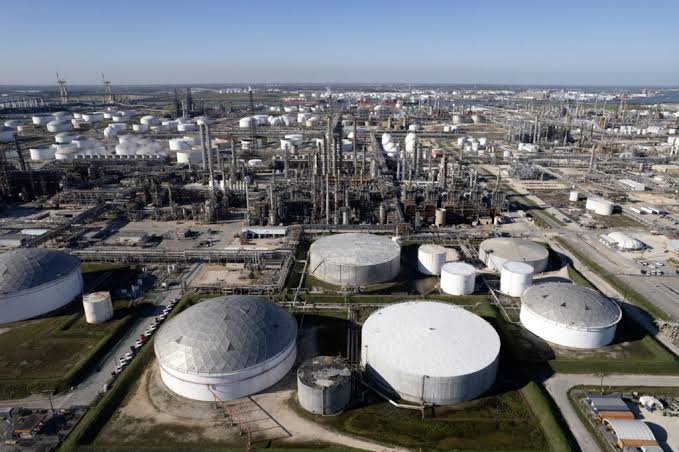
Energy products move through complex supply chains before reaching their final markets. From production and transportation to storage, transshipment, and distribution, each stage must work together effectively.

This is where energy logistics becomes essential.
What Is Energy Logistics?

Energy logistics refers to the planning and coordination involved in moving energy products from one point to another.

For petroleum products, this can involve vessels, terminals, storage facilities, pipelines, trucks, barges, and other transportation infrastructure.

The objective is to coordinate these different elements so products can move efficiently and safely.

Why Storage and Transhipment Matter

Storage terminals can provide an important connection between different stages of transportation.

For example, petroleum products arriving by vessel may need to be transferred into storage before being dispatched through another transportation network. In other situations, products may be transferred directly between transportation systems.

Transshipment facilities can therefore provide flexibility within the supply chain.

Managing Time and Resources

Efficient logistics requires careful coordination.

Delays involving vessels, equipment, documentation, transportation availability, or terminal operations can affect the movement of products. Effective planning and communication help operators manage these challenges.

Inventory visibility is another important consideration. Accurate information about available products and storage capacity can support better operational planning.

Reliability Through Coordination

A successful energy logistics operation depends on many participants working together. Suppliers, terminal operators, vessel operators, transport companies, customers, and other stakeholders may all have different responsibilities.

Clear communication and dependable operational processes help keep these activities aligned.

Supporting the Energy Industry

Energy logistics will continue to play an important role as global markets evolve.

At Brandstof Sp. z o.o., we focus on providing reliable solutions for petroleum transshipment, handling, storage, and terminal operations.

Our objective is to help connect different points within the energy supply chain and support the efficient movement of products.

Efficient logistics keeps energy supply chains moving.

Contact Us Now!
Understanding Petroleum Storage and Terminal Operations

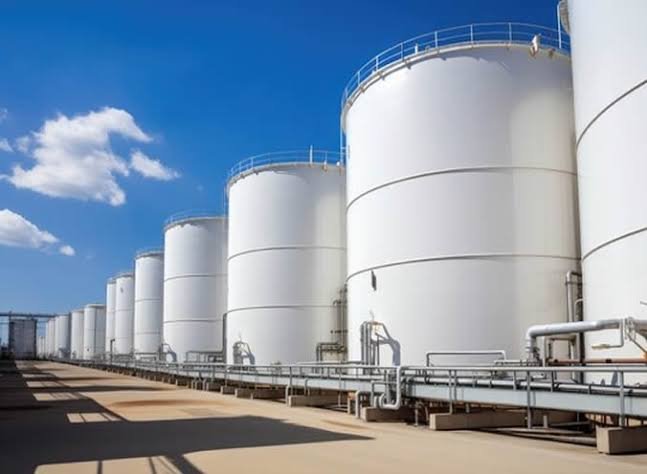
Petroleum storage terminals play an important role in the energy supply chain. They provide infrastructure where petroleum products can be received, stored, monitored, handled, and transferred before continuing to their final destination. Although storage may appear straightforward, effective terminal operations involve multiple coordinated activities.

Receiving Petroleum Products

The process begins when petroleum products arrive at a terminal. Depending on the facility and transportation method, products may be received from vessels, pipelines, trucks, barges, or other sources. Before and during receipt, operators need to coordinate documentation, product identification, measurements, transfer procedures, and safety requirements.

Storage Operations

Storage tanks provide a controlled environment for holding petroleum products until they are required for onward transportation or distribution.

Effective storage management includes monitoring product quantities, tank conditions, equipment performance, and operational requirements. Accurate inventory information is particularly important because it helps operators and customers understand what products are available and where they are located.

Product Handling and Transfer

Once products are ready for movement, terminal infrastructure facilitates their transfer to another transportation system or storage location.

Pipelines, pumps, valves, loading systems, measurement equipment, and other components can work together to support controlled product movement.

Safety Is Fundamental

Petroleum terminal operations require careful attention to safety. Facilities must consider potential risks associated with petroleum products, equipment, transfer activities, fire protection, emergency response, and environmental protection.

Clear procedures and trained personnel are important components of safe operations.

Supporting Energy Logistics

A well-managed terminal provides more than storage capacity. It can serve as a strategic connection between suppliers, transportation networks, and customers.

At Brandstof Sp. z o.o., our approach to terminal and petroleum logistics is centered on reliability, efficient operations, responsible handling, and strong attention to safety.

By combining appropriate infrastructure with disciplined operational practices, petroleum terminals can help create a more dependable and efficient energy supply chain.

Contact Us Now!

Categories: Storage Necessity